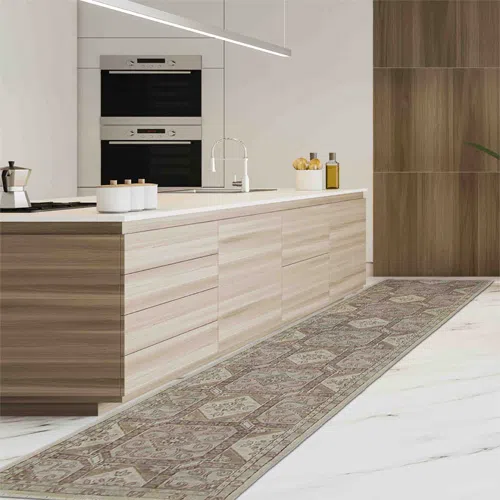
How to Choose and Style the Perfect Runner Rug for Hallways
The Transformative Power of Runner Rugs
Narrow spaces in a home—such as hallways, entryways, staircases, and galley kitchens—are often treated as purely functional transitional areas. However, these spaces offer immense design potential. A carefully chosen runner rug instantly injects color, texture, and personality into otherwise plain corridors while serving practical purposes like dampening footsteps and protecting hardwood or tile flooring.
At Pacific Rugs in Atlanta, we frequently assist homeowners in selecting unique runner rugs that bridge the design between connecting rooms. Finding the ideal runner requires balancing aesthetics, proper measurements, material durability, and underfoot safety. In this comprehensive guide, we will walk you through everything you need to know to select and style the perfect runner rug for your home.
1. Master the Golden Rules of Runner Sizing
The most common mistake when purchasing a runner rug is selecting the wrong dimensions. A runner that is too short can look like a stray mat, while one that is too wide can make a hallway feel cramped and cluttered.
Determining the Correct Width
As a general rule, a runner rug should leave between 4 to 6 inches of bare floor visible on both sides. This creates a visual border that grounds the rug and keeps the space looking balanced. For example, if your hallway is 36 inches wide, look for a runner that is between 24 and 28 inches wide. Leaving this reveal ensures that baseboards and architectural molding remain visible, framing your floor beautifully.
Calculating the Proper Length
For length, your runner should extend down the majority of the hallway without pushing up against end walls or obstructing door swings. Ideally, allow 6 to 12 inches of floor clearance at both ends of the hallway. If you have a particularly long corridor, consider placing two matching or complementary runners with a few feet of bare floor between them, rather than attempting to source a single oversized piece.
2. Select the Right Material for High-Traffic Areas
Hallways and entryways endure some of the highest foot traffic in any residence. Consequently, material selection is essential for longevity and ease of maintenance.
- Natural Wool: Hand-knotted or hand-woven wool runners are the gold standard for high-traffic zones. Wool fibers possess natural lanolin coatings that repel stains and dirt, and their natural springiness prevents flattening over time. A fine hand-knotted wool runner can easily endure decades of daily use while maintaining its luster.
- Flatweave Textiles: Styles such as Kilims or flat-woven tribal runners offer a slim profile that works exceptionally well under low-clearance doors. Flatweaves are incredibly durable, reversible, and add rich textural interest to rustic, modern, or bohemian interiors.
- Performance Synthetics: In areas prone to heavy moisture, muddy shoes, or pet accidents, high-quality synthetic power-loomed runners offer easy cleaning and fade resistance.
3. Match Patterns and Colors to Your Aesthetic
Because runners occupy narrow spaces, they provide a wonderful canvas to experiment with bold patterns and rich color palettes that you might hesitate to use across an entire living room.
"A runner rug acts as a visual guide, seamlessly pulling the eye from one room into the next while establishing a cohesive narrative throughout your living space."
Consider these popular design strategies:
- Traditional and Tribal Patterns: Classic Persian, Kazak, or Kurdish designs feature intricate geometric motifs and deep red, navy, or gold tones. These patterns excel at concealing daily wear and dirt in entryways while adding timeless character.
- Modern Neutrals and Subtle Textures: For contemporary homes, soft tonal patterns, subtle striping, or distressed vintage overdyes bring warmth without visual clutter.
- Visual Anchoring: Ensure the secondary colors in your runner tie into wall art, lighting finishes, or neighboring room furnishings to create a harmonious flow.
4. Do Not Skip the Rug Pad
Because runner rugs are narrow and subject to fast foot movements, they are far more prone to shifting, bunching, and slipping than larger area rugs. Placing a high-quality, non-slip rug pad beneath your runner is non-negotiable for safety and rug preservation.
A proper rug pad anchors the runner firmly in place, prevents premature wear on rug knots, cushions every step, and protects your underlying hardwood or stone floors from grit abrasion. Opt for a rubber and felt combo pad trimmed about one inch shorter than the rug on all sides.
Elevate Your Corridors with Pacific Rugs
Every hallway deserves to feel like a curated gallery rather than a forgotten passageway. By selecting the right size, material, and pattern, you can transform your home's entryways into inviting pathways. Visit Pacific Rugs in Atlanta or explore our fine collection online to discover unique, hand-crafted runner rugs that elevate your home's interior design.